
Questions on Parshas Emor | 5786
The special place of the Omer in Sefer VaYikra — and it's unique time.

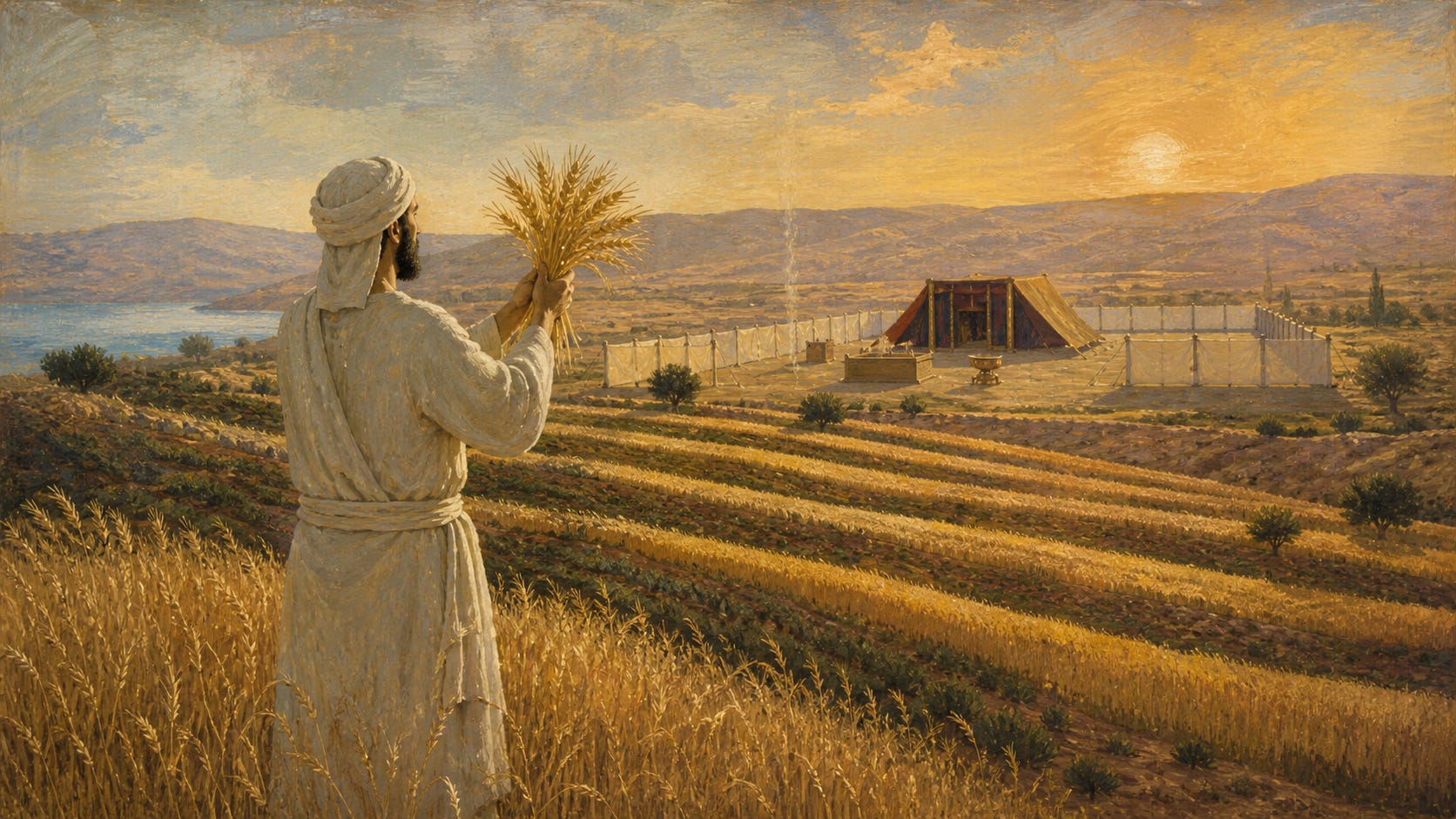
Seemingly, in the middle of Parashat Emor, we leave the world of the Mishkan and the world of the Kohanim. But the operative word there is seemingly. Let us first look at this superficial version, how it appears. Let us first see our initial impression, and then subtly and methodically move deeper.
Hashem speaks to Moshe and tells him about the Moadim, the Chagim. He starts with Shabbos, tells us we cannot do any melachah, and then He turns to the Moadim themselves. He starts with Pesach. In fact, the Korban Pesach.
וַיְדַבֵּר יקוק אֶל־מֹשֶׁה לֵּאמֹר׃ דַּבֵּר אֶל־בְּנֵי יִשְׂרָאֵל וְאָמַרְתָּ אֲלֵהֶם מוֹעֲדֵי יקוק אֲשֶׁר־תִּקְרְאוּ אֹתָם מִקְרָאֵי קֹדֶשׁ אֵלֶּה הֵם מוֹעֲדָי׃ שֵׁשֶׁת יָמִים תֵּעָשֶׂה מְלָאכָה וּבַיּוֹם הַשְּׁבִיעִי שַׁבַּת שַׁבָּתוֹן מִקְרָא־קֹדֶשׁ כָּל־מְלָאכָה לֹא תַעֲשׂוּ שַׁבָּת הִוא לַיקוק בְּכֹל מוֹשְׁבֹתֵיכֶם׃
And Hashem spoke to Moshe, saying: speak to Bnei Yisrael and say to them — Mo’adei Hashem asher tikr’u otam mikra’ei kodesh, eileh hem mo’adai. Six days work shall be done, but the seventh day is Shabbat Shabbaton, mikra kodesh; you shall do no work — Shabbat hi la’Hashem in all your dwellings. (Vayikra 23:1–3)
The Korban Pesach (Vayikra 23:5) is mentioned, and then it is left. We are sent on to the fifteenth of the month — Chag HaMatzot — and we are told to eat matzos for seven days. We spend more time on the matzah than on the korban itself. Which is strange. Matzah has nothing inherently to do with the Mishkan. You can eat matzah inside the Mishkan, outside the Mishkan, anywhere.
And then it (seemingly) comes. Our connection:
בַּיּוֹם הָרִאשׁוֹן מִקְרָא־קֹדֶשׁ יִהְיֶה לָכֶם כָּל־מְלֶאכֶת עֲבֹדָה לֹא תַעֲשׂוּ׃ וְהִקְרַבְתֶּם אִשֶּׁה לַיקוק שִׁבְעַת יָמִים בַּיּוֹם הַשְּׁבִיעִי מִקְרָא־קֹדֶשׁ כָּל־מְלֶאכֶת עֲבֹדָה לֹא תַעֲשׂוּ׃
On the first day there shall be a mikra kodesh for you; you shall do no melechet avodah. And you shall offer an isheh la’Hashem for seven days; on the seventh day there is a mikra kodesh; you shall do no melechet avodah. (Vayikra 23:7–8)
There it is. V’hikravtem isheh la’Hashem — the fire offering to Hashem. That obviously has something to do with the Mishkan.
And, indeed, the Ramban notes the connection:
אֲבָל הִזְכִּיר הַמּוֹעֲדִים כָּאן בְּתוֹרַת כֹּהֲנִים בַּעֲבוּר שֶׁהֵם יְמֵי הַקָּרְבָּנוֹת, וְיִרְמֹז אֲלֵיהֶם כְּמוֹ שֶׁאָמַר “וְהִקְרַבְתֶּם אִשֶּׁה לַיקוק”, וְאָמַר בְּסוֹף הַפָּרָשָׁה “אֵלֶּה מוֹעֲדֵי יקוק אֲשֶׁר תִּקְרְאוּ אֹתָם מִקְרָאֵי קֹדֶשׁ לְהַקְרִיב אִשֶּׁה לַיקוק עֹלָה וּמִנְחָה זֶבַח וּנְסָכִים”... אֲבָל לֹא הֶאֱרִיךְ לְבָאֵר הַמּוּסָפִים שֶׁלֹּא רָצָה שֶׁיִּנְהֲגוּ לָהֶם בַּמִּדְבָּר.
However, He mentioned the festivals here in Toras Kohanim (i.e. Sefer Vayikra) because they are days of korbanos; and He alludes to them, as He said, “and you shall offer an isheh la’Hashem,” and at the end of the section He stated, “these are the moadei Hashem which you shall proclaim to be mikra’ei kodesh, to bring an isheh la’Hashem — olah and minchah, zevach and nesachim.” He did not, however, prolong the matter by explaining the musafim, since He did not want them to be binding upon them in the wilderness. (Ramban, Vayikra 23:2)
There is, the Moadim are in Toras Kohanim because they are yemei korbanos, days of korbanos
And so, it seems, problem solved. Why are we mentioning the Moadim? Because of the korbanot that we offer during the Moadim.
But hidden within that answer is a question. If we are focusing on the Moadim because of the korbanot that we offer on them — why so little focus on the Korbonot? A mere mention and nothing more.
Indeed, it’s worse than that. It’s not the the Torah doesn’t discuss in detail the korbanot of the Chagim. It’s just that it doesn’t do so here, in our Sefer. Rather, it waits until Sefer Bamidbar.
Take a look:
וַיְדַבֵּר יקוק אֶל־מֹשֶׁה לֵּאמֹר׃ צַו אֶת־בְּנֵי יִשְׂרָאֵל וְאָמַרְתָּ אֲלֵהֶם אֶת־קָרְבָּנִי לַחְמִי לְאִשַּׁי רֵיחַ נִיחֹחִי תִּשְׁמְרוּ לְהַקְרִיב לִי בְּמוֹעֲדוֹ׃ And Hashem spoke to Moshe, saying: command Bnei Yisrael and say to them — et korbani lachmi l’ishai, rei’ach nichochi, tishm’ru l’hakriv li b’mo’ado. (Bamidbar 28:1–2)
Thus begins another passage focused on the Korbanot — in Sefer Bamidbar. But that it over there. Over here, barely a word.
At least for now.
As such, I wonder. If the Moadim are in Sefer Vayikra because of the korbanos — then why not mention the korbanos here, in Sefer Vayikra, the way Sefer Bamidbar does?
Indeed, why are they in Sefer Bamidbar at all? Why not discuss in the sefer dedicated to the avoda in the Mishkan and the work of the Kohanim?
Not clear.
So, for now we’ll wonder.
And we’ll move on.
The Omer
Soon enough, we come to the passage about the Omer. And here, something interesting happens. Let us start from the beginning:
וַיְדַבֵּר יקוק אֶל־מֹשֶׁה לֵּאמֹר׃ דַּבֵּר אֶל־בְּנֵי יִשְׂרָאֵל וְאָמַרְתָּ אֲלֵהֶם כִּי־תָבֹאוּ אֶל־הָאָרֶץ אֲשֶׁר אֲנִי נֹתֵן לָכֶם וּקְצַרְתֶּם אֶת־קְצִירָהּ וַהֲבֵאתֶם אֶת־עֹמֶר רֵאשִׁית קְצִירְכֶם אֶל־הַכֹּהֵן׃
And Hashem spoke to Moshe, saying: speak to Bnei Yisrael and say to them — ki tavo’u el ha’aretz asher ani nosen lachem, when you come to the land that I am giving you, u’ktzartem et ketzirah, and you harvest its harvest, va’haveisem et omer reishis ketzirchem el haKohen, you shall bring an omer of the first of your harvest to the Kohen. (Vayikra 23:9–10)
Did you notice that.
A direct mention of a Kohen.
Could it be that this is why Sefer Vayikra discusses the Moadim? Because it wants to discuss the Omer?
Perhaps.
Let’s read on.
Next interesting point. We are being told quite clearly that we do not bring the Omer outside of Eretz Yisrael. Rather, we have to wait until we come to the land.
Which land?
The land that G-d gives us.*
*Remember that point.
So we will bring an omer.
An omer is an amount.
Remember that point also.
So, we wil come to the land that Hashem gives us. Harvest time will arrive. We will take an omer of what we first harvest and bring it to the Kohen.
So far, so good. But what about that Kohen? What’s his role in all of this? Well, we are told that he will do tenufah.
וְהֵנִיף אֶת־הָעֹמֶר לִפְנֵי יקוק לִרְצֹנְכֶם מִמָּחֳרַת הַשַּׁבָּת יְנִיפֶנּוּ הַכֹּהֵן׃
And he shall wave the omer before Hashem to be accepted for you.
Interesting. We have a word for that. It is called avodah. In other words, the Torah is going into the details of the avodah of the Kohen with regards to the Omer.
It didn’t do that with Shabbos.
Nor with the Korban Pesach.
Nor with Pesach itself.
And it won’t do that with Rosh HaShana, Yom Kippur or Sukkos either. At least not here. We’ll have to wait until Sefer Bamidbar for that.
But for the Omer (and, in its wake, the bikkurim), the Torah will go into details about the avodah. Indeed, read the verses yourself. Note how much detail we go into the korbanot of both the Omer and the Bikkurim — and only the Omer and Bikkurim.
Perhaps that hunch we had above was right. Perhaps the moadim are being brought here in Sefer VaYikra not because of their korbanot, but rather because the Omer and the Shtei HaLechem are part of the Moadim. And for some reason, Sefer VaYikra needs to focus on them and their avodah.
Why?
Still don’t know.
But there is something I note. We will be counting seven weeks from the Omer to the Shtei HaLechem. And soon enough, in next week’s parsha, we will be discussing another counting of seven. Seven years and seven years of seven years.
I assume there is a connection.
Still don’t what it is.
But it seems to be there.
Let’s move on.
Shabbos (for some reason)
There is a famous question about when we bring the Omer. It is after the Shabbos. That is when we bring the Omer.
When is that? Rashi (based on Chazal) tell us — the day after Pesach.
מִמָּחֳרַת הַשַּׁבָּת — מִמָּחֳרַת יוֹם טוֹב הָרִאשׁוֹן שֶׁל פֶּסַח, שֶׁאִם אַתָּה אוֹמֵר שַׁבַּת בְּרֵאשִׁית אֵי אַתָּה יוֹדֵעַ אֵיזֶהוּ׃ Mimacharat haShabbat — on the morrow of the first day of the festival of Pesach. For if you were to say Shabbat Bereshis (the weekly Shabbos), you would not know which one. (Rashi, Vayikra 23:11)
Now, notice that word “the”. It doesn’t say “after Shabbos”, but rather after “the Shabbos”. I assume this is a reference to what came before.
And what came before?
A general reference to Shabbos Bereishis.
And the chag of Pesach.
Now, the word “shabbos” means to stop. To cease and desist.
We do that every week.
And we do that on the first (and last) day of Pesach.
So, if we are going to have identify the Shabbos, it’s hard to imagine that it is referring to Shabbos Bereishis. There is no “the” in there.
But Pesach would make sense. Which day, I assume the first makes more sense than the last.
Why?
I’ll have to figure out why some other time.
But for me, this is not the real question. For me, what I want to know is why is it being called Shabbos? Why not just the first day of Pesach.
“After the first day of Pesach...”
“V’acharei yom harishon shel Chag HaMatzos”
That works. Why didn’t the Chumash phrase it that way? Why did it specifically call it Shabbos?
Now, in and of itself, these may not seem like such a strong question. But let’s read on.
As we just noted. We count from the Omer until the Shtei HaLechem (not from Pesach until Shavuos). But what do we count?
We don’t count weeks. At least not in Sefer VaYikra. No, we count shabboses!
וּסְפַרְתֶּם לָכֶם מִמָּחֳרַת הַשַּׁבָּת מִיּוֹם הֲבִיאֲכֶם אֶת־עֹמֶר הַתְּנוּפָה שֶׁבַע שַׁבָּתוֹת תְּמִימֹת תִּהְיֶינָה׃
U’sefartem lachem mimacharat haShabbat, mi’yom haviachem et omer ha’tenufah, sheva Shabbatos t’mimos tih’yenah. And you shall count for yourselves from the morrow after the Shabbos, from the day you brought the omer ha’tenufah — seven Shabbatos shall be complete. (Vayikra 23:15)
In short, we count seven shabboses in all. Not seven weeks.
But that is only here, in Sefer VaYikra. When we discuss these same laws in Sefer Devarim, we do mention weeks.
שִׁבְעָה שָׁבֻעֹת תִּסְפָּר־לָךְ מֵהָחֵל חֶרְמֵשׁ בַּקָּמָה תָּחֵל לִסְפֹּר שִׁבְעָה שָׁבֻעוֹת׃ Shiva shavu’os tispor lach, mei’hachel chermesh ba’kamah tachel lispor shiva shavu’os. Seven weeks you shall count for yourself; from the time the chermesh — the sickle, a tool for harvesting — is put to the standing grain, you shall begin to count seven weeks. (Devarim 16:9)
So, it’s not that the Chumash doesn’t know how to call it weeks. It’s just that here, in Sefer VaYikra, the Chumash purposely (it seems) uses the word Shabbos.
Why?
Still don’t know.
The Problem
So, let’s put this all together.
It seems that one of (if not the) main reason why we discuss the moadim here is because of the Omer and the Shtei HaLechem.
They, in some way, are intricately connected to the Mishkan and the Avodah of the Kohanim.
What’s more, they are both connected in some intricate way to Shabbos — and to Shmita and Yovel.
And all of this is connected to the land that G-d gives us.
And we want to know why.
And I have an idea that may be (at least the Shabbos part).
But here is the problem. Shabbos is coming soon. And I have to stop. So far now, I’ll leave you with some homework and will hopefully write up my ideas soon enough.
Take a look at the following.
The end of the first chapter of Sefer Bereishis. Note how G-d tells Adam and Chava about the food that He gives them.
The story of the man (aka manna). Note its connection to Shabbos. And note that the manna stops falling on the very day set aside to bring the Korban Omer (see the beginning of Sefer Yehoshua).
Start there (and with next weeks Parsha) and see what you come up with.
Until then, I wish you a good shabbas.