
When Life Looks Like Death | Parshas VaYehi
Why Is Our Parsha Called Vayechi (“And Yaakov Lived”) If It Is About Yaakov Dying?

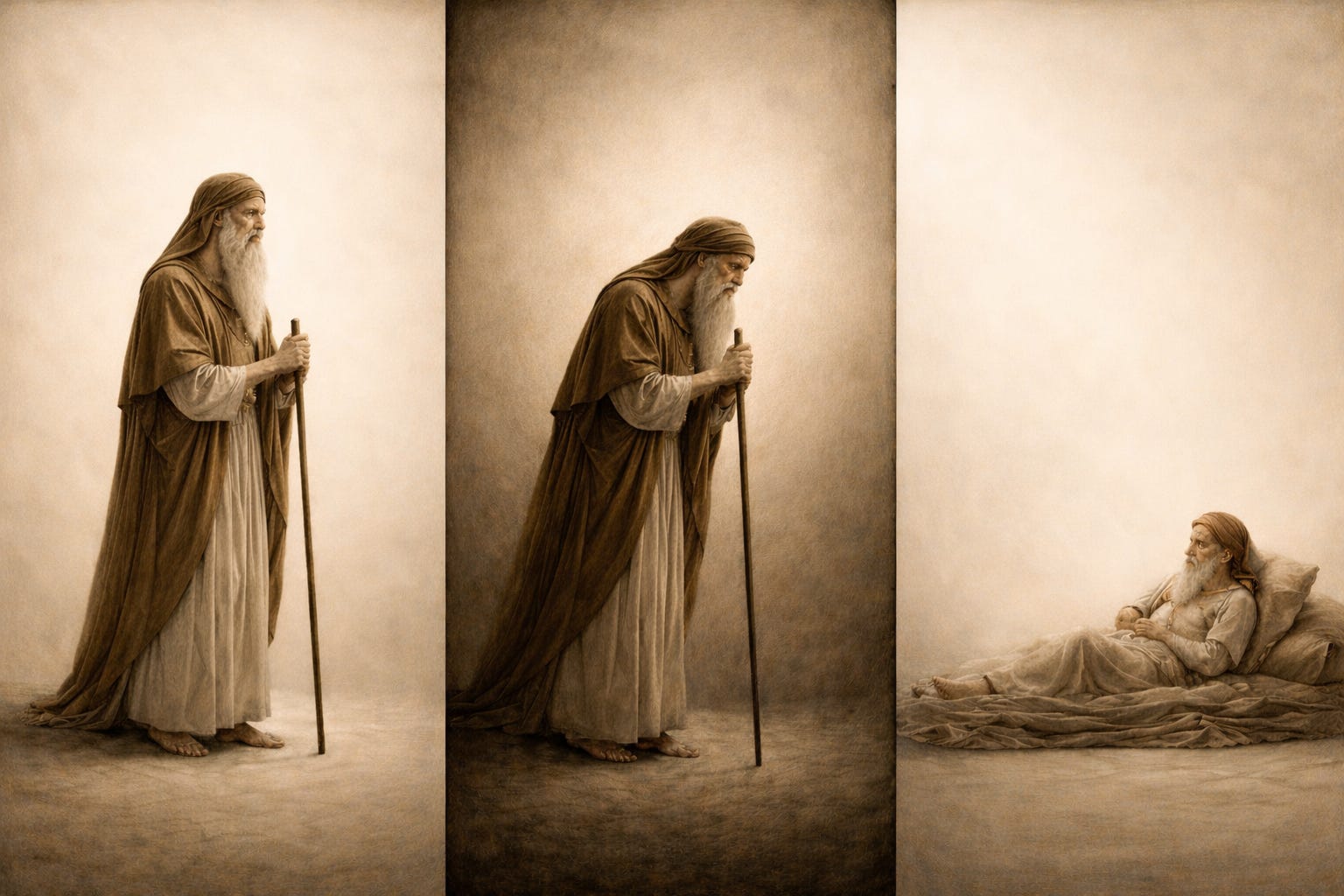
I find the name of this week’s Parsha quite interesting.
ויחי
And he lived…
If all we had to go on were this single word, we would naturally assume that one of the central themes of the parsha is life. And yet, embedded within this very word is an allusion to Yaakov’s death — as Rashi famously notes.
Rashi asks:
לָמָּה פָּרָשָׁה זוֹ סְתוּמָה?
Why is this Parsha “closed”?
And he answers:
לְפִי שֶׁכֵּיוָן שֶׁנִּפְטַר יַעֲקֹב אָבִינוּ נִסְתְּמוּ עֵינֵיהֶם וְלִבָּם שֶׁל יִשְׂרָאֵל מִצָּרַת הַשִּׁעְבּוּד, שֶׁהִתְחִילוּ לְשַׁעְבְּדָם:
Because once Yaakov Avinu passed away, the eyes and hearts of the Jewish people were closed from the pain and suffering of the subjugation of Egypt (for that is when they first started to enslave them).
At first glance, this Rashi is puzzling. What does it mean that the parsha is “closed”? And how is this closure connected to Yaakov’s death?
To understand Rashi’s comment, we need to pause and look not only at what the Torah says, but at how the words are written. That requires a brief visual detour.
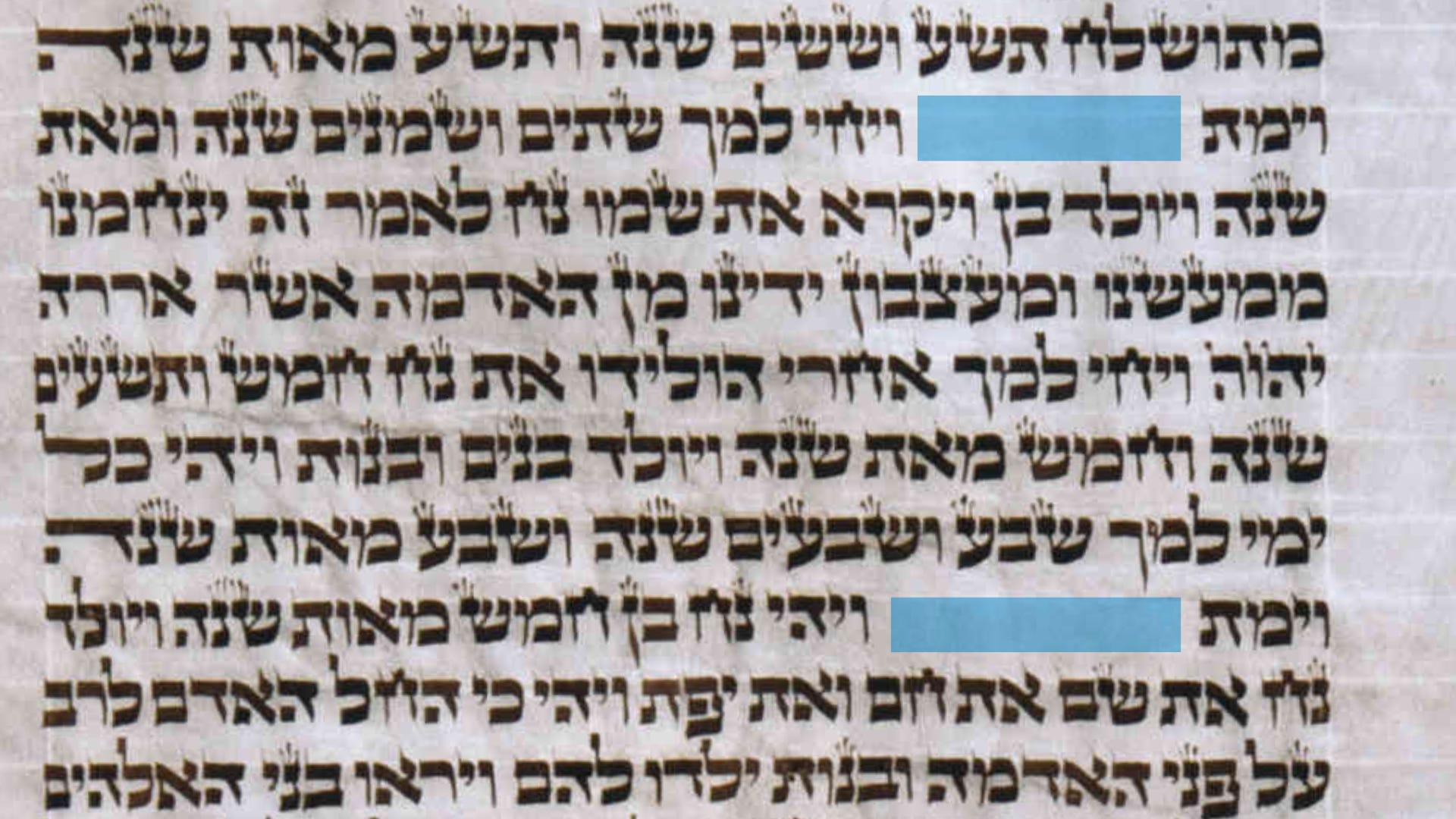
Begin by noticing the places where a verse ends and the remainder of the line is left blank.
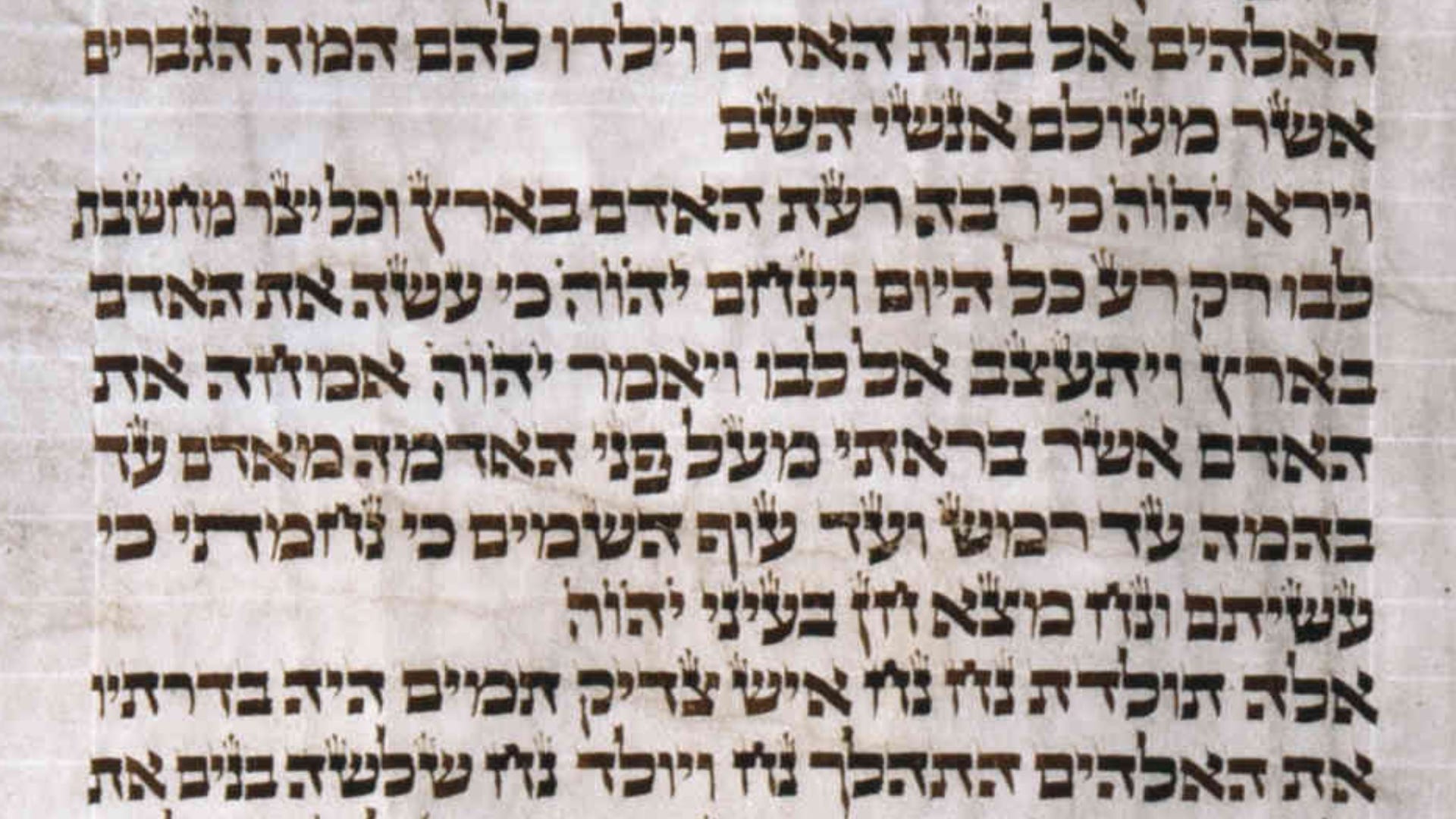
Just to be clear, I am referring to the areas highlighted in blue:
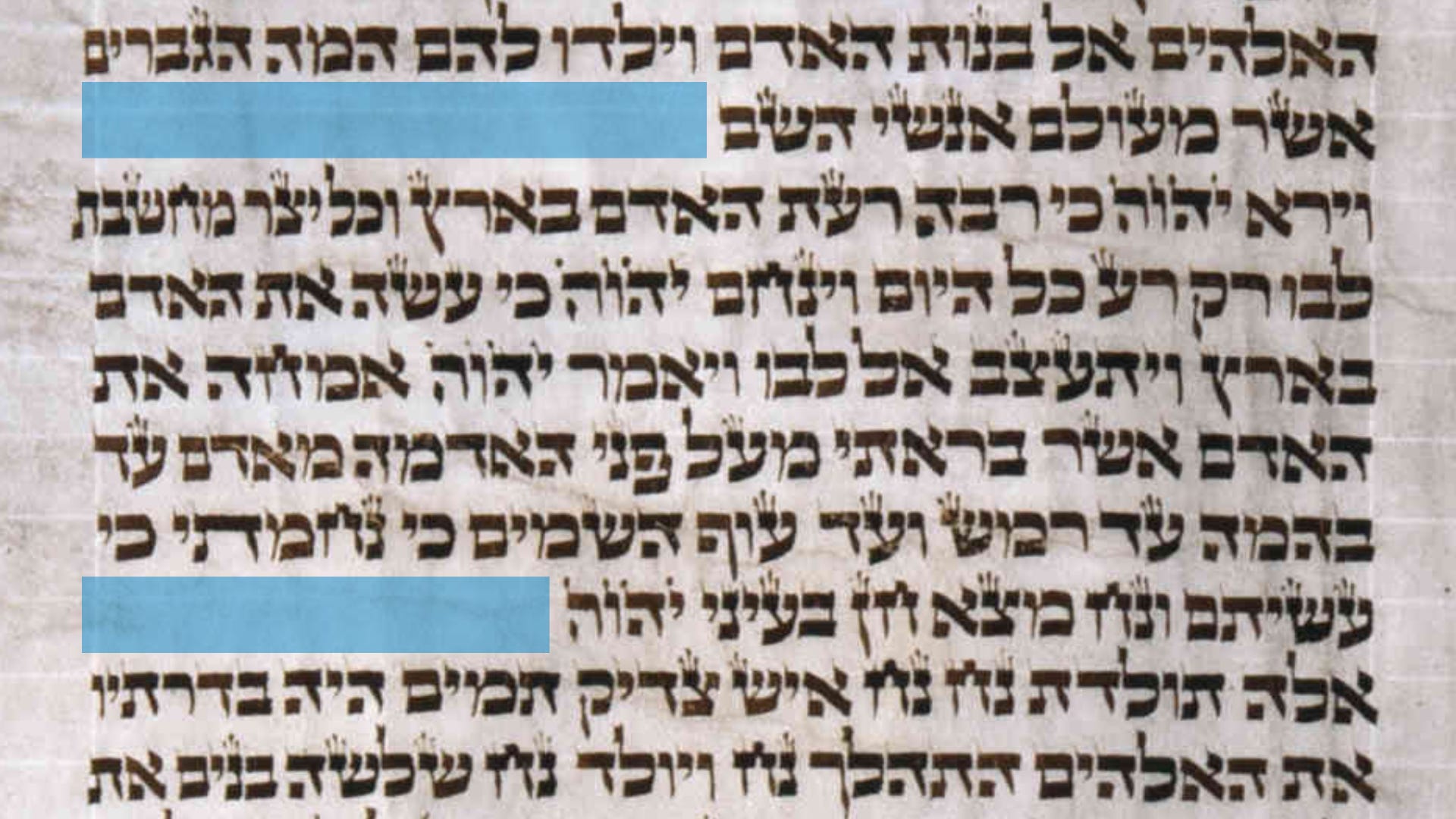
These spaces are known as a petuach (פתוחה) — literally an “open” space. The text stops before the end of the line and begins the next verse on the next line.
There is another kind of spacing used in a Sefer Torah known as a setumah (סתומה) — literally a “closed” space:
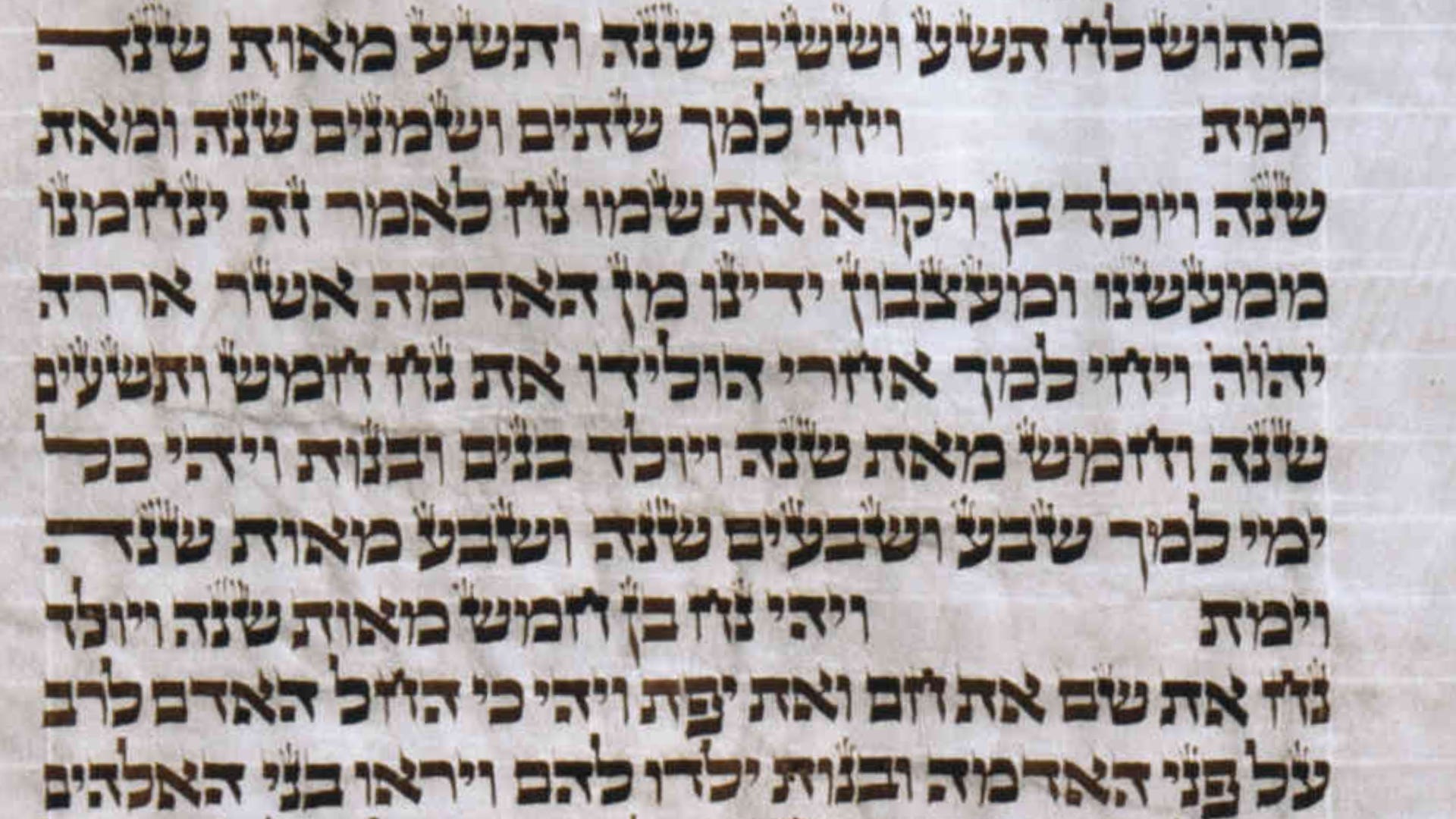
Here, the gap appears in the middle of a line and is surrounded by text on both sides and the next verse continues on the same line.
In practical terms, a petuach creates a full visual break, while a setumah creates a smaller pause within the flow of the text. That full visual break is called an “open” break, because the space is open on one side. An the smaller visual break is called “closed,” because that space is closed in an both sides by text.
In other words, these terms are named after their visual appearance.
Now, it is important to note that these spaces are the only intrinsic structural divisions found in a Sefer Torah. The chapter and verse numbers with which we are familiar are a much later development, introduced only several centuries ago.
Even the weekly parshiyot — Bereis***, Noach, Lech Lecha, and the rest — are not inherent to the Torah’s original structure. They were established by Chazal as part of the system of public Torah reading. Nevertheless, they are not arbitrary: Chazal consistently align the beginning of a new parsha with one of the Torah’s natural divisions — a petuach or a setumah.
In other words, there is always some sort of space or gap before the beginning of a new parsha — though not every gap signals the start of a new one.
There is, however, one exception.
Our parsha.
Parshas Vayechi begins with neither a petuach nor a setumah. Instead, it flows directly from the previous section, without any visible break at all.
And it is precisely this anomaly that Rashi (following Chazal) draws our attention to. Why does our parsha — uniquely — begin “closed”? And by “closed,” we mean as closed as possible: nothing more than the ordinary space that separates one word from the next. There is no smaller division in the Torah.
And yet, that minimal space — rather than the expected gap of nine letters or a new line — is what marks the transition from the last section of the Torah to the one we are about to read.
And we should make no mistakes — this clearly seems to be a new section. For starters, Chazal clearly understood it as such, or they would not have begun a new parsha here. And the narrative itself (once again) show us that Chazal were on to something.
We have just concluded the account of Yosef sustaining Egypt during the years of famine. With the words Vayechi Yaakov, we enter an entirely new story. Under ordinary circumstances, one would reasonably expect these narratives to be separated by either a setumah or a petuach.
But that separation never comes.
Intellectually, we see the break.
Visually, it does not appear.
Rashi explains that this absence is intentional — a purposeful stylistic choice meant to convey a deeper idea. Here, the Torah communicates through art, using an unexpected departure from the norm to seize our attention and invite us to look more closely.
In music, it is the unexpected chord change.
In painting, it is the unexpected figure.
In literature, it is the unexpected plot twist.
And in the Torah, it is the unexpected structure.
We instinctively expect a gap here — and yet there is none. Why not? Because, says Rashi, Yaakov is about to die. And with his passing, the subjugation of the Jewish people will already begin.
That reality lies just beneath the surface of the opening narrative of our parsha, as we shall soon see. For our purposes here, it is enough to observe that the Torah is hinting at Yaakov’s impending death through the artistic use of structural form.
And if we wish to appreciate the Torah’s full artistic mastery, we need only notice that this closed structure is layered upon a word that means life. It is a striking union of ironic contrast and deliberate form — meaning conveyed not only by what the Torah says, but by how it is written.
But the hints do not end there.
The Torah tells us that Yaakov lived in Egypt for seventeen years — a detail that subtly points us forward, for we know what follows those years: Yaakov’s death.
And lest we miss the point, the verse concludes:
וַיְהִ֤י יְמֵֽי־יַעֲקֹב֙ שְׁנֵ֣י חַיָּ֔יו שֶׁ֣בַע שָׁנִ֔ים וְאַרְבָּעִ֥ים וּמְאַ֖ת שָׁנָֽה
…and the days of Yaakov’s life were seven years and forty and one hundred years
In short, while the name of our parsha speaks of life, both the structure and substance of its opening verse quietly but unmistakably point toward death.
It’s Not Just the First Line
At this point, we have a hypothesis: a parsha named after Yaakov living which seems to be preoccupied with Yaakov dying. And no sooner do we formulate this hypothesis than the Torah seems to confirm it.
The very next verse reads:
וַיִּקְרְב֣וּ יְמֵֽי־יִשְׂרָאֵל֮ לָמוּת֒
And the days of Israel drew near to die…
Yaakov is nearing the end of his life — and he knows it. He therefore summons Yosef and requests that, after his passing, Yosef bury him in the family burial place, the Me’arat HaMachpelah, in the land of Israel.
This, strikingly, is the first subject of our parsha: Yaakov’s impending death and burial.
Let us move to the next narrative.
וַיְהִ֗י אַחֲרֵי֙ הַדְּבָרִ֣ים הָאֵ֔לֶּה וַיֹּ֣אמֶר לְיוֹסֵ֔ף הִנֵּ֥ה אָבִ֖יךָ חֹלֶ֑ה
And it came to be after these things that Yosef was told that his father was sick…
Here, Yaakov appears to move even closer to death. He is elderly, already contemplating his burial — and now he is ill, presumably with the sickness that will end his life.
This time, Yosef takes the initiative. He brings his two sons, Ephraim and Menashe, to receive a blessing from their grandfather. On the surface, this narrative seems to have little to do with death at all.
And then — the unexpected.
Without warning, Yaakov begins speaking about the death of Rachel. He recalls how she died on the road, on the way to Efrat, and how that is where he buried her.
The remark is jarring. It appears entirely out of place — and that very dissonance urges us to probe more deeply. If Yaakov wished to discuss burial, surely the appropriate moment was earlier, when he was speaking explicitly about his own burial. Why introduce Rachel’s death here, in the midst of blessing Ephraim and Menashe?
The narrative then resumes — but notice how it does so:
וְעֵינֵ֤י יִשְׂרָאֵל֙ כָּבְד֣וּ מִזֹּ֔קֶן לֹ֥א יוּכַ֖ל לִרְא֑וֹת
And the eyes of Yaakov were heavy from old age, he could not see…
Yaakov is blind.
And here Chazal make a striking observation. They teach:
וְתַנְיָא, אַרְבָּעָה חֲשׁוּבִין מֵת: עָנִי, וּמְצוֹרָע, וְסוֹמֵא, וּמִי שֶׁאֵין לוֹ בָּנִים
It is taught [in a braisa]: Four are considered as if they were dead:
— A poor person
— A leper
— A blind person
— One who has no children
Blindness, in the language of Chazal, is already a kind of death.
Is this yet another quiet signal pointing us in the same direction?
Finally, after Yaakov blesses Ephraim and Menashe, he turns to Yosef with one last message. He promises him an additional portion in the land of Israel. And notice how Yaakov introduces this gift:
וַיֹּ֤אמֶר יִשְׂרָאֵל֙ אֶל־יוֹסֵ֔ף הִנֵּ֥ה אָנֹכִ֖י מֵ֑ת וְהָיָ֤ה אֱלֹהִים֙ עִמָּכֶ֔ם וְהֵשִׁ֣יב אֶתְכֶ֔ם אֶל־אֶ֖רֶץ אֲבֹתֵיכֶֽם׃
And Yisrael said to Yosef: take note — I am going to die and Elokim will be with all of you and will return all of you to the land of your forefathers.
Once again, death is brought into the conversation.
Yaakov’s Final Moment
We now arrive at the end — the final moments of Yaakov’s life — when he gathers his sons to bless them. The blessings themselves are a world unto their own. For our purposes here, however, we want to focus on what frames those blessings.
They begin with a summons — just as earlier Yaakov summoned Yosef.
וַיִּקְרְב֣וּ יְמֵֽי־יִשְׂרָאֵל֮ לָמוּת֒ וַיִּקְרָ֣א ׀ לִבְנ֣וֹ לְיוֹסֵ֗ף
And the days of Israel drew near to die and he summoned his son, Yosef and he said to him…
And again:
וַיִּקְרָ֥א יַעֲקֹ֖ב אֶל־בָּנָ֑יו וַיֹּ֗אמֶר
And Yaakov summoned his sons, and he said…
The blessings then conclude with a command — that after his passing, his sons bury him in the family burial place, the Me’arat HaMachpelah, in the land of Israel.
וַיְצַ֣ו אוֹתָ֗ם וַיֹּ֤אמֶר אֲלֵהֶם֙
אֲנִי֙ נֶאֱסָ֣ף אֶל־עַמִּ֔י
קִבְר֥וּ אֹתִ֖י אֶל־אֲבֹתָ֑י
אֶ֨ל־הַמְּעָרָ֔ה אֲשֶׁ֥ר בִּשְׂדֵ֖ה עֶפְר֥וֹן הַֽחִתִּֽי׃בַּמְּעָרָ֞ה אֲשֶׁ֨ר בִּשְׂדֵ֧ה הַמַּכְפֵּלָ֛ה
אֲשֶׁ֥ר עַל־פְּנֵי־מַמְרֵ֖א
בְּאֶ֣רֶץ כְּנָ֑עַן
אֲשֶׁר֩ קָנָ֨ה אַבְרָהָ֜ם אֶת־הַשָּׂדֶ֗ה מֵאֵ֛ת עֶפְרֹ֥ן הַחִתִּ֖י לַאֲחֻזַּת־קָֽבֶר׃שָׁ֣מָּה קָֽבְר֞וּ אֶת־אַבְרָהָ֗ם וְאֵת֙ שָׂרָ֣ה אִשְׁתּ֔וֹ
שָׁ֚מָּה קָבְר֣וּ אֶת־יִצְחָ֔ק וְאֵ֖ת רִבְקָ֣ה אִשְׁתּ֑וֹ
וְשָׁ֥מָּה קָבַ֖רְתִּי אֶת־לֵאָֽה׃מִקְנֵ֧ה הַשָּׂדֶ֛ה וְהַמְּעָרָ֥ה אֲשֶׁר־בּ֖וֹ
מֵאֵ֥ת בְּנֵי־חֵֽתThen he instructed them, saying to them:
I am about to be gathered to my people.
Bury me with my fathers
in the cave which is in the field of Ephron the Hittite,the cave which is in the field of Machpelah,
which faces Mamre,
in the land of Canaan,
the field that Avraham bought from Ephron the Hittite for a burial sitethere they buried Avraham and his wife Sarah;
there they buried Yitzchak and his wife Rivka;
and there I buried Leahthe field and the cave in it,
bought from the Hittites.
Just like he asked Yosef:
וַיֹּ֤אמֶר לוֹ֙
אִם־נָ֨א מָצָ֤אתִי חֵן֙ בְּעֵינֶ֔יךָ
שִֽׂים־נָ֥א יָדְךָ֖ תַּ֣חַת יְרֵכִ֑י
וְעָשִׂ֤יתָ עִמָּדִי֙ חֶ֣סֶד וֶאֱמֶ֔ת
אַל־נָ֥א תִקְבְּרֵ֖נִי בְּמִצְרָֽיִם׃וְשָֽׁכַבְתִּי֙ עִם־אֲבֹתַ֔י
וּנְשָׂאתַ֙נִי֙ מִמִּצְרַ֔יִם
וּקְבַרְתַּ֖נִי בִּקְבֻרָתָ֑םAnd he said to him,
If (please) I have found favor in your eyes
Please place your hand under my thigh
And do with me kindness and truth
please do not bury me in EgyptWhen I lie with my fathers
carry me up from Egypt
And bury me in their burial plot
When it is all said and done — Yaakov has one request for after he passes away — bury me in Eretz Yisrael, in the burial plot that Avraham bought, where they, their wives and Leah are all buried. He makes that request when he is nearing death to Yosef. And he makes that request moments right before he actually passes away.
And when all is said and done — Yaakov has one gift to give — his berachos. He gives them to Ephraim and Menashe when he gets sick (again, presumably with the ailment that will claim his life) and he gives them to the rest of his sons moments before he passes away.
This, then, is the substance of our parsha so far.
Yaakov is dying.
He makes his last request — to be buried in Eretz Yisrael.
He gives his last gift — the berachos.
And yet all of this is introduced by with the phrase And Yaakov lived.
We are back, again, to the unexpected. Which means that we are being urged to dig deeper.
After Yaakov Dies
But we aren’t quite done yet.
Yaakov has died — and with that comes a question. What now?
Yosef cries and gives him a kiss.
Yosef honors his father’s request - the brothers his command.
They bury him in Me’arat HaMachpelah, in Eretz Yisrael.
So far, everything seems standard.
But now Yaakov is truly gone.
He’s passed away and been buried.
And Yosef is in charge.
And the brothers sold him as a slave many years ago.
Now what?
What will Yosef do?
We don’t know — and Yaakov did not leave any commands or requests here.
Or did he?
The brothers claim that such a request was made — but that doesn’t seem likely (as Rashi notes).
So here is the first big, post Yaakov test.
If Yosef wishes, he can take revenge.
And if he did?
The end of the berachos.
Perhaps the end of Am Yisrael.
But Yosef does not take revenge.
Instead, he acts like…
Yaakov.
He reassures his brothers.
He speaks to their hearts.
He offers the type of beracha that he can offer — physical sustenance.
And with this, we see a transition.
A while back we had a Parsha called VaYeishiv (וישב) — where we were told that Yaakov dwelt in the land of Canaan.
And now — we are told that Yosef dwelt (וישב) in the land of Egypt.
At the beginning of this Parsha we were told that Yaakov lived (ויחי)
And now we are told that Yosef lived (ויחי)
When Yaakov reached the end of his days, he requested/commanded that his sons take him out of Egypt and bury him in the land of Israel — he even had Yosef take an oath to such effect.
And now — Yosef requests of the brothers that they take his bones from Egypt (and bury them in Eretz Yisrael). Not now — but when the redemption comes. He even has them take an oath to such an effect.
And then — Yosef dies.
And he is placed in a coffin.
And thus ends Sefer Bereishis — with darkness and death.
Or did it.
Yaakov Lives
We are told that Yaakov lived in Egypt for 17 years.
What does it mean to live?
For much of Yaakov’s life Yaakov responded to and dealt with the challenges facing him.
He dealt with the dangers posed by Esav.
He dealt with the manipulations of Lavan.
He dealt with the sibling rivalry of the brothers.
Over and over again he responded to the challenges that he faced.
But in Egypt — he lived. Here, he is in control. He is living as he dies.
He knows that the subjugation is coming — but he will not give into that. He will be buried in Eretz Yisrael. He does everything in his power to assure that.
He knows that there will be a redemption — and a Jewish nation. And he helps set that up with his berachos.
Yaakov is acting, taking the initiative to help pave the future for after he is gone. He will not be physically around, but the life he lives now (in these seventeen years) will live on in the future.
And the first sign of that is Yosef.
Yosef picks up the mantle.
He gives berachos of his own.
He knows that the subjugation will come to a close.
He himself does everything in his power to assure that that will happen.
And then he passes away as Yaakov did.
And the story (and the sefer) end in death and darkness, not because that is the essence of this story (or this sefer) — but because it is the backdrop for the light that is about to shine forth in the chapters to come.
And indeed, that light starts in the very first line of the very next Sefer: These are the names of the sons of Yaakov:
Yaakov lives.
Know someone who would appreciate Masmid.org?
Please feel free to share it with them: